
The 40 bucks airlines charge lower-fare-class travelers to check a bag may seem insignificant compared to what they receive for the main ticket.
Yet checked baggage fees generate approximately $7 billion each year for major U.S. airlines, according to CBS News.
According to a recent calculation by Upgraded Points, this can comprise 20% of total revenue for low-cost airlines such as Spirit and Frontier and approximately 14% for mainstream carriers like Delta Air Lines and United Airlines.
And while airlines generally hold off on raising baggage prices and do so at around the same time as other competitors (JetBlue and American Airlines both raised the cost of checking a bag within a few weeks of each other at the start of 2024), the rising cost of fuel due to the war in Iran has brought the first off-script price hike.
“As we experience rising operating costs…”: JetBlue on baggage price hikes
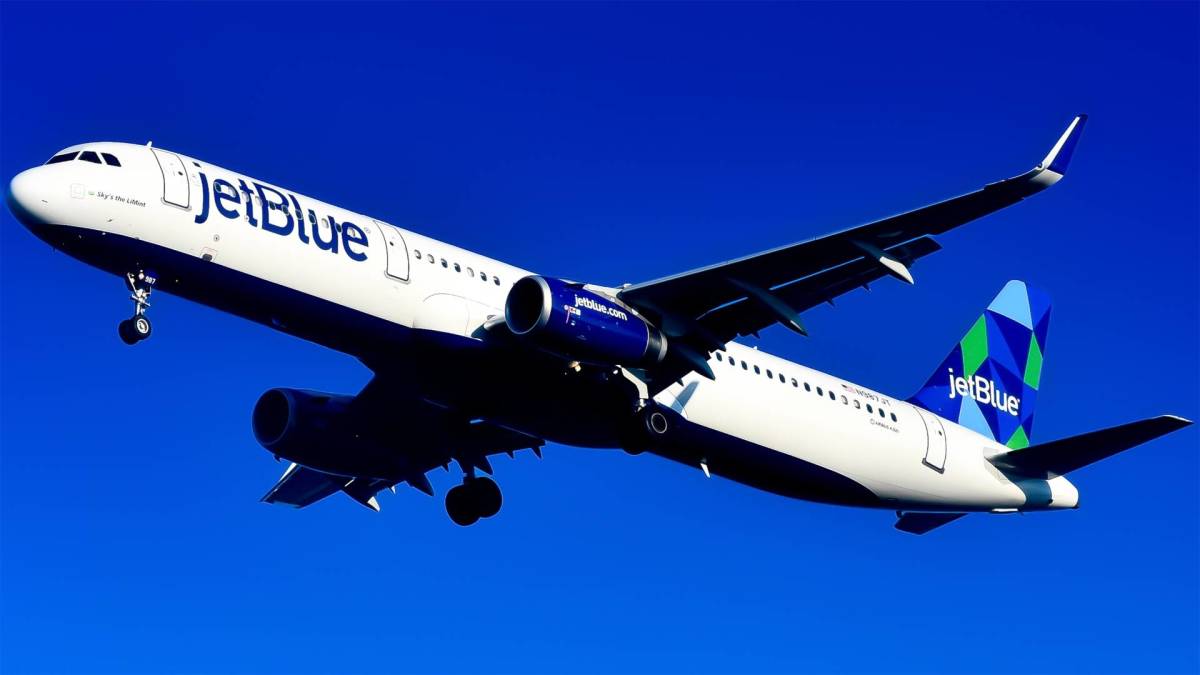
On its website, JetBlue Airways began listing the price for a first piece of luggage on routes within the U.S. and to nearby Caribbean and Latin American destinations from $35 to $39.
While no changes have been made for baggage prices on more faraway destinations, the airline is also adding a $10 fee for checking a bag less than 24 hours before the flight and raising the fee for peak holiday travel periods from $40 to $49.
On the week beginning March 30, fuel prices across the U.S. reached an average of $4 per gallon, marking the highest price since 2022. Airline leaders have repeatedly signaled that carriers will eventually need to start passing on the rising cost of fuel onto consumers through ticket prices.
Image source: Shutterstock
“We recognize that fee increases are never ideal”
“As we experience rising operating costs, we regularly evaluate how to manage those costs while keeping base fares competitive and continuing to invest in the experience our customers value,” JetBlue said in a media statement.
Delta Air Lines has previously also estimated that an increase in oil prices of just one cent per gallon will increase its fuel costs by $40 million per year.
More Travel News:
- Airline to launch unusual new flight to Cayman Islands from the U.S.
- Iranian strike hits major airport, injuries reported
- Unexpected country is most luxurious travel destination for 2026
- U.S. government issues sudden warning on Switzerland travel
U.S. airlines that have higher fuel costs due to a larger number of older and less fuel-efficient aircraft, including Southwest and American Airlines, are expected to sustain even bigger losses.
“Adjusting fees for optional services used by select customers, such as checked baggage, allows us to continue offering more competitive fares while delivering the onboard experience our customers love, including complimentary snacks and drinks, unlimited, high-speed Wi-Fi and seatback entertainment screens,” JetBlue said further in its statement on justifying the price increases.
“While we recognize that fee increases are never ideal, we take careful consideration to ensure these changes are implemented only when necessary.”
JetBlue is currently the only airline to officially raise prices in connection with fuel costs, but carriers frequently follow competitors that make the first leap. Many predict that others will follow JetBlue in the coming weeks as fuel prices continue to rise, AOL noted.